Cultural Engagement
Strategies for Cultural Leaders


Dialog Digital is an international meeting space for Cultural practitioners where the focus is developing sustainable cultural engagement strategies, across all artforms.
Cities and cultural collectives worldwide are proving that collective action isn’t just a buzzword—it’s a survival strategy.
This conference is about how to build, fund, and scale collaborative systems, that leverage new digital tools and the power of many, to build stronger relationships with existing audiences, whilst finding and engaging new audiences groups.
A unique opportunity for cultural leaders from across the Nordics to convene and co-create their own cultural engagement strategies alongside leading organizations from across Europe, as well as Scandinavia's own APPLAUS, Kulturens Analyseinstitut, Norwegian Audiences, and RePublik.

Walk away with a playbook of ideas and operational tactics, including:
-
Case studies for how cultural organizations can work collectively
-
New funding and commercial models for pooled initiatives
-
Developing management metrics and benchmarks that matter
-
How to leverage the best of CultureTech when engaging existing and new audiences

Our venue - The Pier
In the spirit of Dialog Digital, we've chosen Århus and with spectacular views across the harbour, and The Pier as our venue.
The Pier Venue is part of Incuba, a leading business environment within IT/tech, cleantech & life science. A professional community for knowledge startups, and an exciting environment that also includes investors, mentors, researchers, students and business specialists.
Our Speakers
Here's a quick overview of speakers currently lined up to give their expert insights, good ideas and answers to your questions

Paul Callaghan
One of Englands leading cultural entrepreneurs and adviser to Arts Council England , Paul will provide us with a hands on experience on how to drive cultural change and citizen engagement.
Established in 2012, the Music, Arts and Culture Trust has been the catalyst, developer and promoter of cultural activities within Sunderland and elsewhere.
It brings together people with ability, talent and ambition who share a vision for the future where the arts, music and culture flourish.
It seeks to encourage people of all ages and all backgrounds to participate in cultural activities such as playing an instrument, learning to dance, act or sing or creating literature or poetry.


Dr Stephen Dobson
The Centre for Cultural Value is dedicated to strengthening the cultural sector through research and evaluation, aiming to build an equitable, confident, and sustainable sector that enriches lives.
The term "cultural vitality" refers to the overall health of a community's cultural life, and the Centre is developing a "Cultural Indicator Suite" to measure and understand this vitality, which involves looking at cultural activity, participation, diversity, access, and infrastructure.
Stephen will give the audience an enlightening overview of key change to how audiences are chaging and reacting to culture!

Head of Cultural Department Lars Davidsen
Culture is a vital element of our city, of which we are very proud, and probably the reason why we were chosen as European Capital of Culture in 2017!
In order to strengthen our cultural engagement, we asked ourselves the question: how broadly and to what extent does cultural and leisure life in Aarhus Municipality create value for the individual citizen and Aarhus?
.
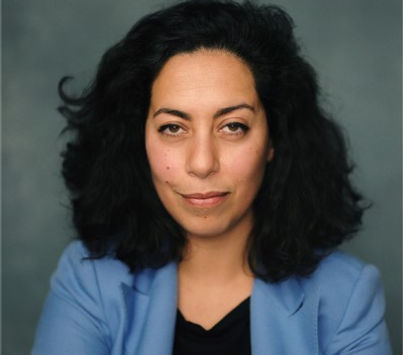
Legal Counsel Fayrouze Masmi Dazi
AI is a key challenge for cultural organizations going forward, both nationally and internationally.
Fayrouze will give us a provocative and inspiring overview as to the benefits and challenges of AI for cultural venues,
The imapct on AI for the culture sector is huge and provides a solid basis for challenging big-tech!

Head of Cultural Participation Mariska van Elsen
Dutch cultural organizations from across the sector use the Cultural Target Groups Model, a tool used to better understand audience groups and promote broad cultural reach.
This model helps improve inclusivity and diversity in cultural offerings. It is an important tool in programming and marketing events and cultural activities. In addition to mapping the audience, more and more cultural creators are looking to take a deeper dive and also measure their impact.
Rotterdam Festivals, together with cultural organizations, gathers insights into the experiences and effects of cultural activities.

Terje Vammen
Working with evidence based customer analysis across multiple sectors such as airports, public sector, tourism, we've discovered the special needs and requirements the cultural sector needs to address. Culture is holistic and needs to be treated as such.
Terje will take us through a groundbreaking economic impact report generated for and on behalf of the Seks Kommune Samarbejdet.

CEO Erik Lindholm
Audiences Norway have for the past years been working actively on developing a communal platform where the shared aggregated audience data has been made available to all participating cultural organizations.
Erik will give an insightful and fascinating talk about the experiences and the benefits this has provided - for both the cultural organizations and the municipalities, in driving citizen cultural engagement.
.webp)
CEO Coen van der Poll
We believe culturetech plays a key role in the development of cultural collectives and we believe that collective action is the future norm rather than the exception.
Scaling solutions that address culture-clusters just makes good economic and artistic sense as we can see with organizations like Leeds City Council and the theatre cluster De Doelen in the Netherlands.
Digital transformation is organizational transformation and tech is the oil.

Moderator Frederik Fabricius
Formerly IBM's European Data Solutions Manager, Frederik provides insights and results from an 18 month pilot conducted in Region Skåne on behalf of Kulturforvaltningen and with the Audience Agency.
The goal was to evaluate the digital skills and potential for sharing data collectively for the 14 largest cultural organizations including Malmø Opera, Malmø Live, Malmø Teater and Skåne Danse Teater.

CEO Erica Love
Culture Central is a collective, and Collective voice for the cultural sector in the West Midlands region of England.
As a membership organisation and sector support body, it convenes, challenges and connects the cultural sector to create opportunities through culture for the people and places of the West Midlands. Culture Central’s priorities and programmes focus on cultural innovation, capacity building, equity & opportunity, placemaking, and advocacy, connection & ecology.

Head of Business Development Katharina Roehle
Kulturplanner helps cultural institutions unlock the potential of their audience data by consolidating it from ticketing systems, CRMs, and other platforms.
Many organizations collect data, but it often stays siloed, limiting insight and engagement. We give institutions a holistic view of their audiences, enabling smarter strategies, aligned teams, and meaningful connections. By turning scattered data into actionable insights, Kulturplanner supports stronger visitor relationships, increased engagement, and more effective audience development across venues and departments.

CEO Katy Raines
Audience Insight or box ticking?
How can we gather audience insight that helps transform our organisations and our relationships with audiences, but at the same time fulfil the needs of our funders and stakeholders?
How can we compare audience data and trends across organisations, cities and countries in a way that is helpful for cultural organisations on the ground AND policy makers?
Katy will provide provocations on these issues, arguing for a collective approach to audience insight, and suggesting some of the ways in which data collection and analysis methods will need to change.

Director of Evidence & Insights Oliver Mantell
The Audience Agency and the Turing Instute in the UK are creating a common language for comparing data across venues, producers and regions.
Oliver will share insights in to how we can develop sector-wide benchmarking to understand audience behaviours and programming gaps.

Director of UK Business Development & International Sales Operations James Bush
easy-connect helps arts and culture organisations reach people where they spend most of their time: on their phones.
Today’s audiences expect seamless, personalised digital experiences. Our digital engagement apps bring everything together in one tool — real-time ticket booking, tailored recommendations, social and community features, and direct push or in-app messaging.
By lowering barriers and making access effortless, easy-connect turns audiences into loyal ambassadors and enables organisations to build vibrant communities of arts lovers.
Low-Cost, High-Impact Marketing
The power of many: Collective multi-brand and multichannel marketing campaign strategies.
Measuring Success Beyond Visitor Numbers
Adopting an evidence-based approach to tracking social cohesion and satisfaction alongside revenue
New organizational models for collective cultural engagement
Checklist on practical governance models that address the organizational and legal requirements
Shared Infrastructure in Practice
New generation digital tools to pool marketing budgets and audience data insights across institutions.
Breaking Silos, Building Networks
Negotiating partnerships between cultural organizations and venues and commerce
Space Making Culture
How cultural organization take the lead and leverage urban renewal and through citizen cultural engagement
Keynote Speaker: Revitalising Communities through Culture with Paul Callaghan
Paul Callaghan is a pivotal figure in the cultural redevelopment of North East England. With a background spanning economics, technology, and cultural governance, Paul offers a unique perspective on the transformative power of culture in community regeneration.
Born and raised in Sunderland, Paul's journey from a rock band dreamer to a cultural catalyst is as inspiring as it is instructive. His roles as Chairman of The Leighton Group, a collection of technology and media businesses, and Chair of the Sunderland Music, Arts and Culture Trust, have positioned him at the intersection of commerce and culture.

Also attending are
The European Audience Data Alliance

Attending the conference will be members of the European Audience Data Alliance (EADA).
Our goals are to strengthen EU citizens cultural identity and digital democracy, by helping publicly-funded organizations pursue their common interests and pool their resources, in light of the technological development and the rising influence of Big Tech.
The EADA is an open forum, where cultural engagement practitioners from across Europe can discuss & discover common issues, share new insights and develop trans-national collaborations
The goals are to provide funders and cultural agencies a common framework for audience data insights, by futureproofing common benchmarks for measuring cultural engagement, and setting the agenda for tomorrow’s collection, management and presentation of audience data.

Walter Groenen
EADA Chairperson and CEO of Cultureel Jongeren Paspoort
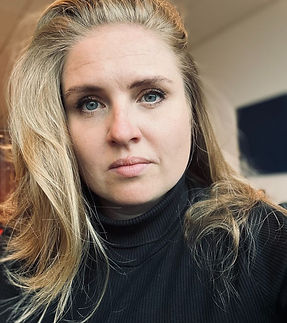
Lene Struck Madsen
APPLAUS Denmark

Prof. Vera Allmanritter
Director IKTf Berlin

Lenka Fendrychova
Kreativ Prague

Gijs Meijer
DEN Kennisinstituut cultuur & digitale transformatie

Oliver Mantell
The Audience Agency

Karel de Rudder
PUBLIQ

Simona Martini
Fondazione Fitzcarraldo

Clément Coustenoble
TMN Lab